Blogs | 9.22.2026
Why Educators Should Embrace Virtual Field Trips
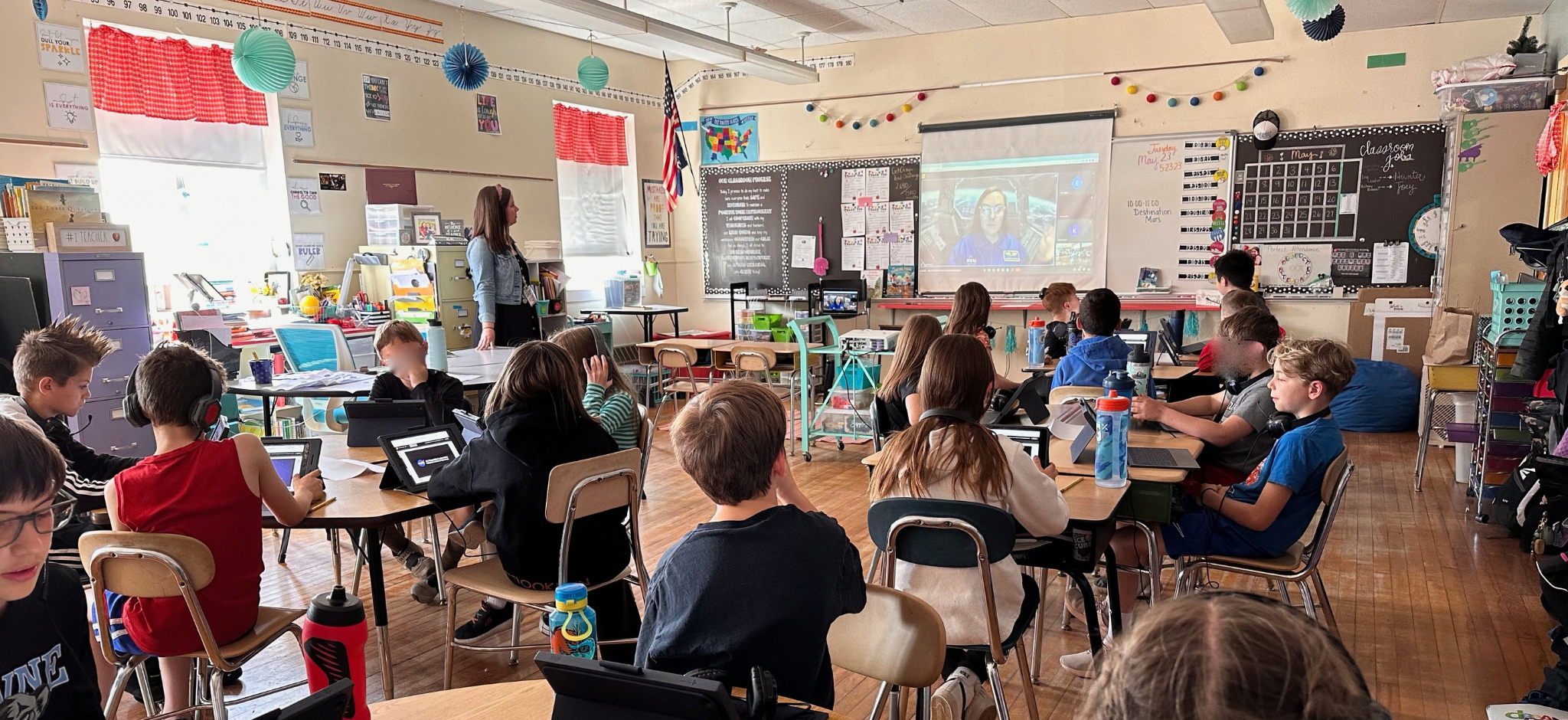
For most kids, field trips will always be the highlight of every school year. It’s a shake-up to their routine, and a chance to explore the world beyond the classroom with their peers.
And they’re more than just fun. Field trips provide real academic benefits. When students participate in hands-on activities and learn directly from subject matter experts, they pay closer attention, retain more information, and show an increased enthusiasm towards what they’re learning. According to a 2022 study, field trips cause students to “have fewer behavioral infractions, lower school absence rates, score higher on end-of-grade exams, and receive higher grades” than students who do not.
But planning field trips, especially post-pandemic, can be expensive. And surprisingly enough, the highest cost isn’t usually admission tickets or educational programs themselves. It’s the transportation. It can cost as much as $500 to charter a single bus.
So, what’s the solution? Enter: virtual programming.
More Than Just Screentime
There’s a common misconception that a “virtual field trip” is just students passively watching a Zoom presentation or a pre-recorded tour of a museum. In fact, high-quality virtual programming can be just as transformative as an in-person excursion.
 A good virtual field trip may take place through a screen, but it is still an adventure. It transports students out of their routine and lets them explore new places. They’re often introduced to new adult role models beyond their everyday teachers. And the best virtual field trips challenge students to actively participate by providing tasks to complete, problems to solve, and opportunities to collaborate with their classmates.
Combined, these elements provide a much-needed shift in energy—helping students re-engage and reignite their curiosity, just as a traditional field trip would.
What’s more, today’s students are already living in a digital world. They’re comfortable online, fluent in the tools, and excited by the chance to do something interactive. For them, screen-based experiences aren’t second-rate; they’re just different. And sometimes, they’re even better, especially when the student can explore the experience on their own. Giving students agency to lead their own virtual field trip experience helps them learn at their own pace, and can open doors to deeper engagement and curiosity.
Another major benefit? Scheduling ease. Virtual field trips are easy to fit into a regular school day. With no buses to book, no permission slips to collect, and no chaperones to coordinate, educators can focus on what matters most: the learning.
 Most of all, though, virtual field trips are accessible. Many schools in rural or remote areas simply can’t afford the time or cost of traveling to in-person programs. Virtual experiences, like The National Gallery of London or Yellowstone National Park’s webcams, can reach you anywhere. All that’s needed is a computer and an internet connection. With a few tools, students can still experience something powerful, memorable, and new.
Out-of-this-World Classroom Experience
At Challenger Center, our Satellite Challenges bring space exploration into the classroom through real-time mission simulations.
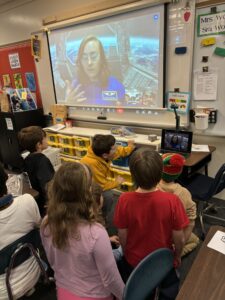 Led by a trained Flight Director, students are assigned tasks by real STEM professionals to complete their mission. They are immersed in high-stakes space scenarios, like launching Earth-orbiting satellites, exploring the Moon, or establishing a human presence on Mars.
And just like in the real space program, teamwork is essential. Students are placed into crews, working together to achieve one shared goal: mission success. This structure keeps every student actively involved and invested. Like a well-designed video game, they’re making choices, solving problems, and learning—often without even realizing it.
Looking Ahead
Virtual field trips work for the same reason in-person ones do: they aren’t about cramming more information into a kid’s head. They’re about giving students a break from the rhythm of the classroom. They get a chance to ask questions they’d never raise during a test, talk to an adult who isn’t grading them, and explore something without the pressure of being right.
That shift matters. When kids get to be curious without the fear of getting it wrong, they come back to the classroom more confident. And confidence is what fuels curiosity. A virtual field trip does this just as well as a bus trip, because the screen isn’t the point. The point is that, for forty-five minutes, a kid isn’t in “classroom learning” anymore. They’re on a mission, in a museum, on the tundra — somewhere else, doing something real.
Learn more about booking a Satellite Challenge for your class.
Keep Reading
We think you may like these.
Blogs
Challenger Learning Center of the Twin Tier Region Named Arthur C. Clarke Innovation Award Winner
Challenger Learning Center of the Twin Tier Region Named Arthur C. Clarke Innovation Award Winner
Challenger Learning Center of the Twin Tier Region Named Arthur C. Clarke Innovation Award Winner
...
Read More
